Know what an Albury house actually costs you.
Every agency site in this town shows you listings. None of them show you the maths. XACG breaks down transfer duty, settlement costs, rental yields and suburb by suburb price behaviour across Albury and Wodonga, including the parts that change the moment you cross the Murray. Read it before you sign anything, then talk to your agent from a position of knowledge.
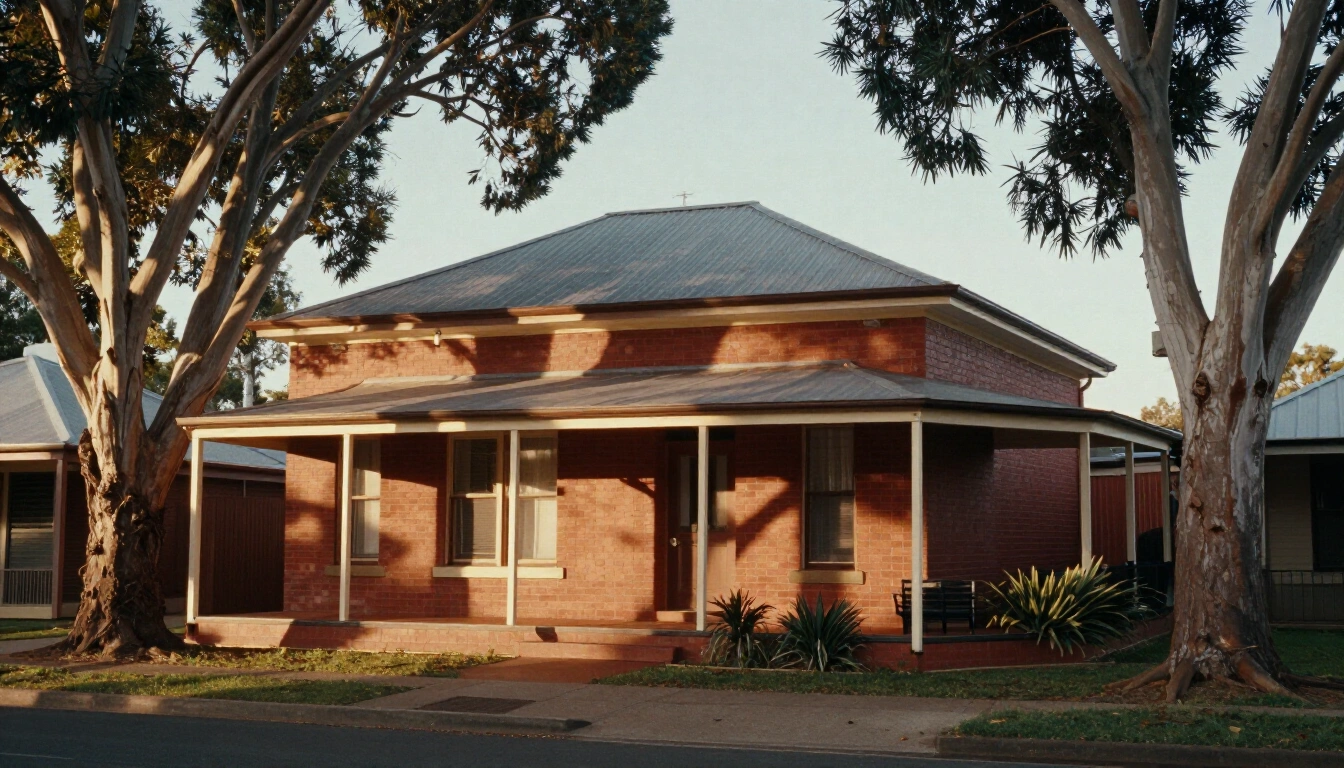
Four things no agency website in this town will tell you
One market, two tax regimes
Buy in Albury and you pay New South Wales transfer duty. Buy in Wodonga, ten minutes away, and Victoria's schedule applies with different first home thresholds. Same commute, different bill. We show both.
Numbers you can check
Every figure traces back to Revenue NSW, the Victorian State Revenue Office or published sales data. The calculator prints the bracket it used. If you think a number is wrong, you can verify it in about two minutes.
Suburb detail, not city averages
Lavington behaves nothing like East Albury, and Thurgoona behaves nothing like either. We break the region down by pocket, including flood overlays, heritage constraints and where the yield actually sits.
Nobody pays us to say this
No listing fees, no agency ownership, no referral commissions from brokers or conveyancers. When we say a suburb is overpriced or a method of sale is wrong for you, that is the entire reason we say it.
Start where your decision actually is
Three routes through this page. Pick the one that matches the question keeping you up at night, or read straight through. Each card links to a section further down where the working is shown.

Suburb by suburb
Fourteen pockets across Albury and Wodonga, with median behaviour, who buys there, what the housing stock is made of, and the specific reasons prices move differently on either side of the hill. Includes the flood question everyone asks too late.

What it costs upfront
A working transfer duty calculator using the 2026/27 Revenue NSW brackets, alongside gross rental yield on the same purchase price. Add conveyancing, registration, inspections and lender fees to get the real cash figure you need before settlement.
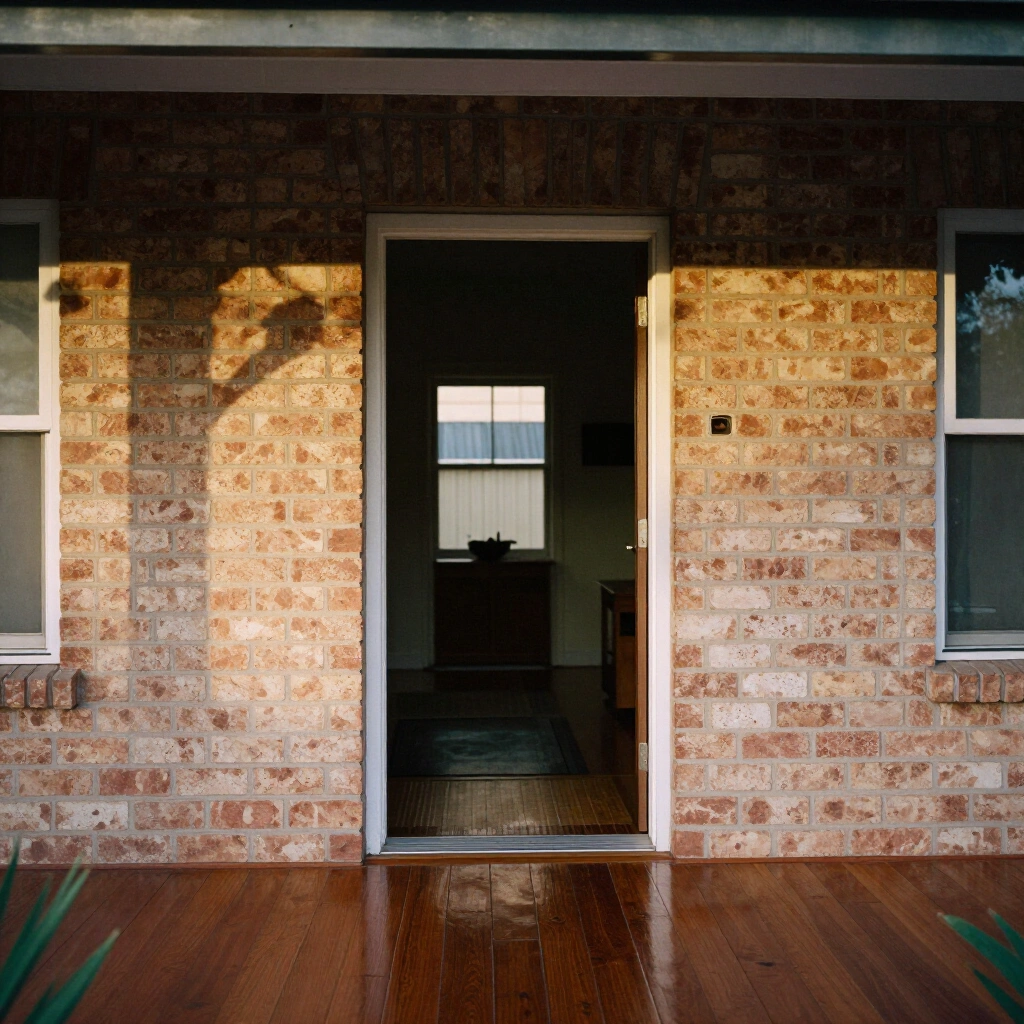
Contract to keys
The New South Wales purchase sequence in order: the 10.7 planning certificate, cooling off and the 0.25 per cent penalty, building and pest timing, finance clause wording, and what actually happens on settlement day.
Albury and Wodonga, suburb by suburb
Albury Wodonga is sold as one market. It is not. It is two council areas in two states, split by the Murray, with different duty schedules, different land tax rules, different tenancy law and different school catchments. Buyers who treat the region as a single city end up paying more than they needed to, or buying in the wrong half of it.
Two practical consequences follow. Any price comparison between an Albury suburb and a Wodonga suburb is incomplete until you add the duty difference, which can run into five figures on an ordinary family home. And a rental yield calculated on the New South Wales side is not directly comparable to one on the Victorian side once land tax thresholds and letting rules are included.
Central Albury and the CBD fringe
The blocks around Dean Street hold most of the town’s oldest housing: Federation cottages, interwar red brick, and a growing number of subdivided units. Land sizes are small by regional standards and the streets are tight. What you get in return is walkability that almost nowhere else in the region offers, along with proximity to the QEII Square end of town and the river precinct.
The cost is traffic noise, limited off street parking, and heritage constraints that can quietly kill a renovation plan. Check the heritage schedule in the Albury Local Environmental Plan before you fall in love with a facade. A listed item does not stop you renovating, but it changes who you can hire and how long approval takes.
East Albury
East Albury runs from the hospital precinct out towards the airport, and it splits sharply. The older pocket near the river and Albury Wodonga Health carries interwar and post war homes on decent blocks, and it attracts health workers who want a five minute commute. Further east, past the Riverina Highway, the stock gets newer and the blocks get larger.
Aircraft movement is real near the flight path and it is already priced in. Look at where a property actually sits relative to the runway rather than trusting a suburb name, and go stand in the backyard on a weekday afternoon before you decide it does not bother you.
North Albury, Lavington and Glenroy
This is the affordable end and the most misread part of the region. Lavington was a separate town before amalgamation and still behaves like one, with its own retail strip along Urana Road and its own identity. Glenroy and North Albury carry a lot of post war fibro and brick veneer on generous blocks, much of it never seriously renovated.
Investors buy here for yield rather than capital growth, and the arithmetic usually works, provided you budget honestly for the deferred maintenance sitting under the carpet. Rewiring, restumping and asbestos removal are not edge cases in this stock. They are the normal case, and they arrive in the first two years of ownership rather than the tenth.
Springdale Heights and Hamilton Valley sit above them and behave differently again. The housing is newer, mostly 1980s onward, the blocks are more uniform, and the buyer is more often an owner occupier trading up than an investor chasing return. Prices reflect that difference more than the map suggests they should.
West and South Albury
West Albury climbs towards Nail Can Hill and rewards anyone willing to walk uphill. The higher streets get outlook and cooler evenings. The lower streets, and most of South Albury, sit on the Murray floodplain behind the levee.
Flooding is the single question worth asking here, and the answer is not the same from one street to the next. Ask for the section 10.7 planning certificate early and read the flood related development clauses on it, rather than relying on what a neighbour remembers about 1993. Insurers read that certificate. So should you, before you commit, because flood exposure shows up in premiums every year for as long as you own the place.
Thurgoona and the eastern growth front
Thurgoona is where most of Albury’s new housing has gone. The Charles Sturt University campus sits here, along with newer estates, a shopping centre and land releases that keep arriving. If you want a house built after 2005 without paying a premium for renovation work someone else did badly, this is the obvious place to look.
The trade off is distance from the CBD, a car dependent layout, and the ordinary risk of buying where the next stage of supply competes directly with your resale. A five year old house in an estate that is still selling new stock two streets away has a ceiling on it, and that ceiling lifts only once the release finishes.
Across the river: Wodonga, West Wodonga, Baranduda and Leneva
Wodonga is not simply the cheaper option. It is a different tax jurisdiction. Victorian stamp duty, Victorian land tax thresholds, Victorian rental law and a Victorian first home buyer scheme all apply the moment you cross. For some buyers that is a saving and for others it is a penalty, and the only way to know which is to run both sides.
West Wodonga carries the older, denser stock. Baranduda sits at the base of the hills with larger blocks and a semi rural feel that people either want badly or not at all. Leneva is the long term growth corridor and will absorb a large share of the region’s future population, which cuts both ways: infrastructure eventually arrives, and so does a great deal of competing new supply.
One caveat worth taking seriously
Suburb level generalisations break down at the individual property. A well positioned house in Lavington can outperform a badly positioned one in East Albury by a wide margin, and no median figure will ever tell you that. Use this section to narrow your search to three or four pockets, then judge individual properties on aspect, block shape, flood and heritage overlays, and the condition of the things you cannot see from the footpath. Median data describes the past. You are buying one specific house, in the future.
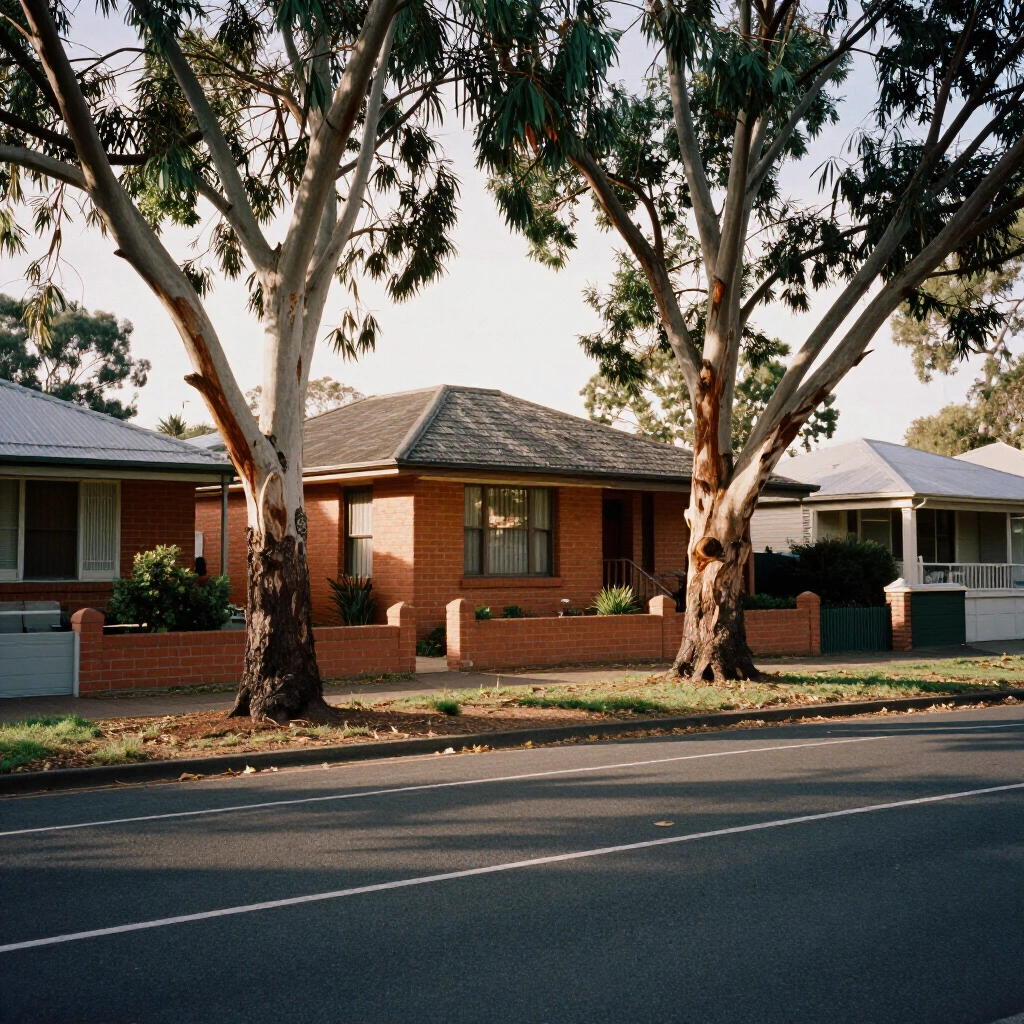
Fourteen pockets, two states. Narrow to three or four before you start inspecting, and check the 10.7 certificate on every one of them.
The Albury purchase cost calculator
Type a price. The calculator applies the Revenue NSW general transfer duty brackets for 2026/27, applies the First Home Buyers Assistance Scheme sliding concession if you are eligible, adds your deposit and your own estimate of the remaining upfront costs, and prints the cash figure you actually need before anyone hands you keys. It also runs gross rental yield on the same price, because the two numbers argue with each other and you should watch them do it.
General transfer duty brackets and the $3,870,000 premium threshold are the Revenue NSW 2026/27 figures. First home buyer results assume you meet every First Home Buyers Assistance Scheme condition, which most buyers should confirm with Revenue NSW before relying on. Other upfront costs is your own estimate and normally covers conveyancing, the transfer and mortgage registration fees, building and pest inspection and any lender charges. Nothing here is legal or financial advice and it does not model surcharge purchaser duty, off the plan deferral or Victorian rates.
How the duty figure is built
New South Wales charges transfer duty on a sliding scale, not a flat percentage. Duty is calculated in slices: the first $18,000 at $1.25 per $100, then rising bands, with $11,602 plus $4.50 per $100 over $387,000 covering the range most Albury houses sit in. Above $1,290,000 the rate steps to $5.50 per $100, and residential land above $3,870,000 attracts premium duty at $7.00 per $100. Those thresholds are indexed each year, which is why a calculator built in 2023 will quietly give you a wrong answer today.
What the first home buyer figure assumes
Full exemption applies to a new or existing home at $800,000 or less, and to vacant land at $350,000 or less. Between $800,000 and $1,000,000 the concession phases out on a straight line, so at $900,000 you pay half the full duty. Vacant land phases out between $350,000 and $450,000. The scheme has conditions beyond price, including a residence requirement and a test on previous property ownership anywhere in Australia. Confirm your position with Revenue NSW rather than with a calculator, this one included.
What it deliberately leaves out
Surcharge purchaser duty for foreign buyers, off the plan duty deferral, Victorian rates for anything across the river, lenders mortgage insurance, and council and water adjustments at settlement. Those either depend on facts a web page cannot know about you or move often enough that a stale figure would be worse than no figure.
The caveat
This is an estimate built to give you a realistic budget, not an assessment. Revenue NSW assesses duty on the dutiable value, which is the higher of the price you paid and the market value of the property, and that distinction matters for family transfers and anything not at arm’s length. Your conveyancer produces the number you actually pay.

Five business days. That is the whole cooling off window in New South Wales, and it closes at 5pm.
Buying in New South Wales, contract to settlement
The New South Wales purchase process is not complicated, but it is unforgiving about order. Do things in the wrong sequence and you either lose money or lose the property. Here is the order that works, with the specific numbers attached.
Before you sign anything: the 10.7 certificate
The contract for sale must include a planning certificate issued under section 10.7 of the Environmental Planning and Assessment Act. Older agents and some older documents still call it a 149 certificate, which was its name before the Act was renumbered. Same document.
It tells you the zoning, whether the land is affected by flood related development controls, bushfire prone land mapping, heritage listing, road widening proposals and contamination notices. In Albury the flood clauses are the ones to read first. In central Albury the heritage clauses matter more. Read it yourself, then have your conveyancer read it. Two sets of eyes on one page costs nothing.
Cooling off and the 0.25 per cent
Buy a residential property by private treaty in New South Wales and you get a cooling off period of five business days, ending at 5pm on the fifth day. If you walk away inside that window, the vendor keeps 0.25 per cent of the purchase price. On a $640,000 house that is $1,600, which is genuinely cheap insurance against a bad building report.
You can waive it. A section 66W certificate, signed by your solicitor or conveyancer, removes the cooling off period entirely and makes the contract binding immediately. Vendors love it because it removes their risk. Sign one only when your finance is unconditionally approved and your inspections are already done, because after that certificate there is no exit that does not cost you the full deposit.
Auctions remove the safety net
There is no cooling off period when you buy at auction, or when you exchange contracts on the same day as a scheduled auction for that property. That is the single most expensive thing first time buyers in this region learn the hard way. If you plan to bid, your building and pest report, your strata report where relevant, your solicitor’s contract review and your unconditional finance approval all need to be finished before you raise your hand. Every dollar you spend on a property you do not win is the price of not overcommitting on one you do.
Building and pest, and when to book it
Book the inspection during the cooling off period, not after it. In Albury the specific things worth flagging to your inspector are termite activity in older timber framed stock, movement and cracking in reactive clay soils on the northern side of town, and rewiring and restumping needs in anything post war that has not been touched. Ask for the report to distinguish between defects that need attention now and defects that will need attention within five years, because that second list is your renovation budget.
A report that comes back clean on a 1955 house should make you more suspicious, not less. Ask what the inspector could not access.
Finance clauses that actually protect you
A contract subject to finance is only as good as its wording. It should name the lender or say any lender, state the loan amount, and set a date. Pre approval is not approval. It is a lender’s opinion, formed before they looked at the property, and it can be withdrawn when the valuation comes back under the purchase price. In a thin regional market with few directly comparable sales, valuation shortfalls happen more often than they do in a capital city, and the gap comes out of your cash.
Settlement
Six weeks from exchange is the standard in New South Wales, and both sides can agree to something else. Settlement runs electronically through PEXA for almost all residential transactions now, so nobody meets in a room with a bank cheque any more.
Transfer duty is payable within three months of the contract date, or at settlement if settlement comes first, and your conveyancer normally handles it inside the settlement process. Do your final inspection on the day, not the week before, and check that whatever the contract said stays with the property is still there. The dishwasher is a surprisingly common argument.
The caveat
This describes the ordinary residential purchase. It does not cover off the plan contracts, which have their own disclosure and deferral rules, purchases through a trust or a self managed super fund, or anything involving a deceased estate. Those are all normal transactions in Albury and every one of them needs a solicitor rather than a conveyancer. If your purchase has any feature this page did not mention, that is a signal to get advice, not a signal that the feature does not matter.
Albury Wodonga without the drone footage filter
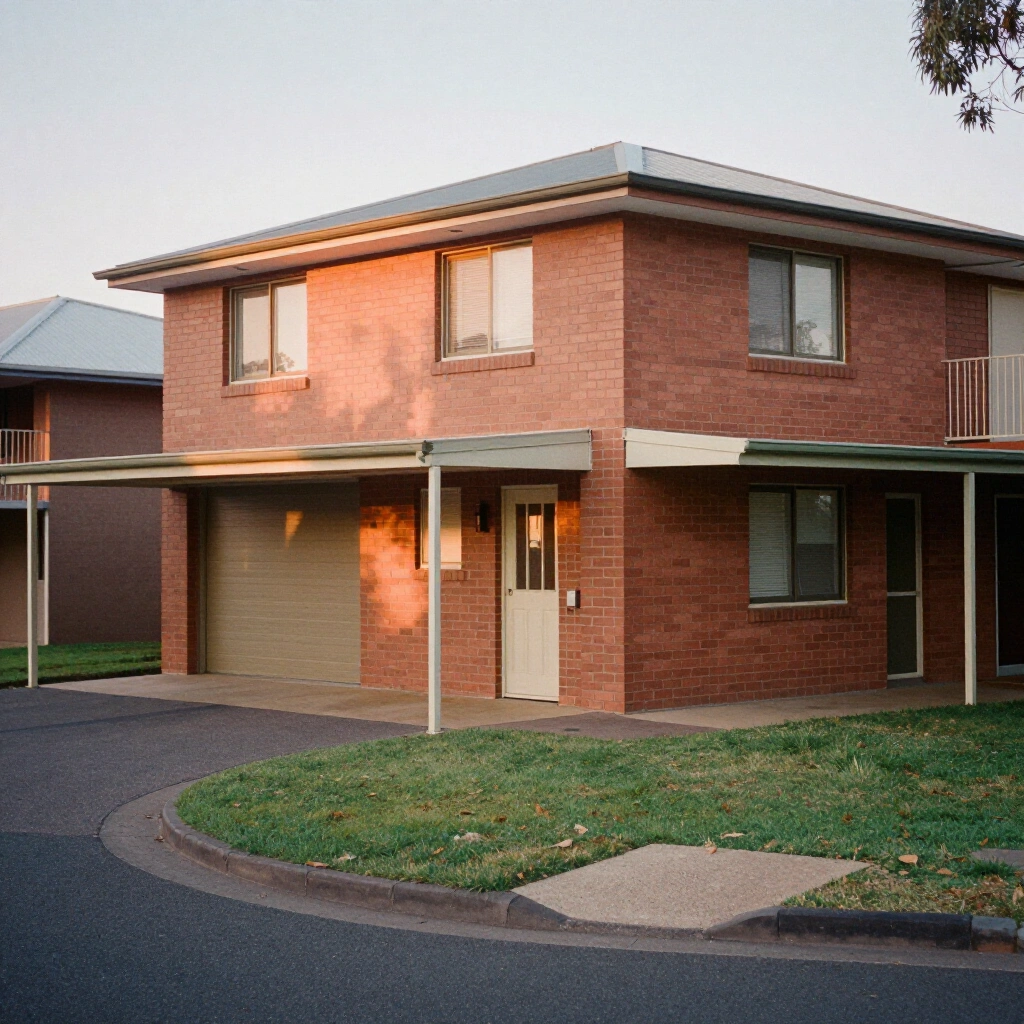
Marketing photography sells one version of this region: golden light, empty streets, a river that always looks calm. The real market is older housing stock, hillside outlook, estates still under construction, and paddocks on the edge of town that will be suburbs in fifteen years. All four of those things sit within a twenty minute drive of Dean Street, and each one prices differently.




Selling in Albury: method, timing and what the campaign really costs

Selling is the half of this market where the information gap costs the most money. Buyers eventually see every number. Vendors sign an agreement in a lounge room, on the strength of an appraisal, and find out what it all cost at settlement. Here is the order the decisions actually come in.
Pick the method before you pick the agent
Private treaty runs almost everything in Albury. You set a price, buyers negotiate, and cooling off applies. Auction concentrates competition into one date and removes the buyer’s cooling off entirely, which is powerful when a property is genuinely unusual or when demand is deep enough to produce three or more serious bidders. It is a bad idea for ordinary stock in a thin market, because a property that passes in carries a visible failure into every negotiation that follows.
Offers closing on a date sits between the two. It creates deadline pressure without the auction’s public downside. In a regional market where the buyer pool for any given house might be a dozen people, that middle option is underused.
What the agency agreement locks you into
The agreement has to be in writing. An exclusive agency agreement means the agent earns commission on any sale during the term, even if your neighbour’s cousin buys it without the agent ever meeting them. A sole agency agreement lets you sell privately without paying commission. An open listing lets multiple agents compete but usually produces less effort from each of them.
You get one business day of cooling off on a residential agency agreement, ending at 5pm on the next business day. That is one day, not five. Read the term length before you sign, because a ninety day exclusive agreement with an agent you have lost confidence in is a long ninety days.
The estimated selling price is a legal document
The agreement must state the agent’s estimated selling price, and the agent must have reasonable grounds for it. Deliberately quoting a price the agent does not believe, to win the listing or to bait buyers, is underquoting and it is an offence under the Property and Stock Agents Act. Agents have forfeited commission over it.
Practically, this means you should ask for the comparable sales the estimate is built on, in writing, before you sign. Three agents will give you three numbers. The one you should be suspicious of is the highest, especially if the evidence behind it is thinner than the others.
Campaign costs are yours, and they are separate from commission
Marketing is billed to you whether or not the property sells. The largest single line is almost always the portal listing, and the depth of that listing is a genuine decision rather than a formality. Photography, a floorplan, a signboard and copywriting make up most of the rest. Regionally the total commonly lands somewhere between $1,500 and $5,000, and the spread within that range is mostly portal choice.
Ask for it itemised in dollars, not as a package. A vendor paid marketing schedule that says “premium campaign” and one number is a schedule you cannot negotiate.
Commission: compare dollars, not percentages
Commission is commonly quoted between 2 and 3.5 per cent plus GST in regional New South Wales, and it is negotiable. Comparing percentages is the wrong exercise. On a $650,000 sale, the difference between 2.2 and 2.8 per cent is around $3,900, which is real money but smaller than the difference a better negotiator makes on the sale price itself. Ask each agent what they would do differently, then price that answer.
Tiered commission structures, where the rate rises above a target price, align the agent with you more honestly than a flat rate does. Very few vendors ask for one.
The contract has to exist before the sign goes up
In New South Wales you cannot offer residential property for sale without a contract available. It must carry the title search, the deposited plan, the section 10.7 planning certificate and the sewerage service diagram. Getting your conveyancer started early is the single cheapest thing you can do to shorten a campaign, because a contract that is not ready delays exchange at exactly the moment a buyer is most willing.
Timing
Spring and early autumn carry the most buyers, and December through late January is thin in this region. Competing supply matters more than season though. Three similar houses listed in the same estate in the same fortnight will hurt all three, and no amount of styling fixes it. Ask your agent what else is coming to market in your pocket before you commit to a launch date.
The caveat
Every figure in this section is a range that describes the regional market generally, not a quote. Commission, marketing and campaign length are all negotiated per property and per agent. Treat the numbers here as a way to tell whether what you are being offered is normal, then negotiate on the specifics of your own house.
What the state will and will not give a first home buyer
Revenue NSW publishes its own short summary of the assistance available to first home buyers in New South Wales. It is ninety seconds, it is the official position, and it is worth watching before you take anyone else’s word on what you qualify for.
Two things it will not tell you. It will not tell you whether the same purchase would be cheaper across the river under Victorian rules, and it will not tell you what the property is worth. Both of those are your job, and the calculator further up this page handles the first one.
Renting out an Albury property under the new rules
New South Wales rewrote its rental rules across late 2024 and 2025, and the changes are structural rather than cosmetic. If your understanding of being a landlord here was formed before 2024, most of it is now wrong.
What changed on 19 May 2025
No grounds terminations ended. A landlord can no longer end a tenancy simply because the fixed term expired or because they feel like it. You now need a valid reason drawn from a prescribed list, supported by evidence: a signed contract of sale, a statutory declaration that you or a family member are moving in, documentation of significant repairs, or a decision to take the property off the rental market.
Each reason carries its own notice period, and several of them restrict how soon you can re-let the property afterwards. That restriction exists because the obvious way to abuse the new system is to claim you are moving in and then list it again at a higher rent. NSW Fair Trading runs a Rental Taskforce that investigates exactly this, and it has issued fines.
Rent increases: once in twelve months
Rent can be increased once in any twelve month period, across every lease type, with sixty days written notice. That single limit changes how you should think about setting the initial rent. Underpricing a new tenancy by $20 a week to fill it quickly now costs you $1,040 over the year you cannot correct it, and tenants can dispute an excessive increase at the Civil and Administrative Tribunal.
Pets are an application, not a ban
Advertising a property as no pets is no longer permitted. A tenant applies using a standard form, and you can refuse only on specific grounds, such as the property genuinely being unsuitable for the animal or council rules preventing it. You have twenty one days to respond in writing. Miss that window and the approval is automatic.
Worth saying plainly: pet friendly properties in this region let faster and tend to hold tenants longer, and vacancy costs more than carpet does.
Bonds, fees and what you cannot charge
The bond is capped at four weeks rent and must be lodged with NSW Fair Trading through Rental Bonds Online rather than held by you or your agent. You cannot charge tenants for background checks, and you have to offer at least one fee free electronic way to pay rent. A portable bond scheme is in development, which will change how tenants move between properties.
Yield is not return
Gross yield is annual rent divided by purchase price, and it is the number that gets quoted at you. Net return is what actually arrives. Subtract management fees, council and water rates, insurance, repairs, land tax where it applies, and vacancy. A property advertised at a 5.5 per cent gross yield in Lavington will often land closer to 3.5 per cent net in its first two years, because that is when the deferred maintenance in older stock surfaces.
Land tax is the number investors forget
Your principal place of residence is exempt from New South Wales land tax. Investment property is not, once the combined unimproved land value of your holdings passes the threshold. That threshold is indexed annually, so check the current figure with Revenue NSW rather than repeating one you were told two years ago. Regional land values are lower than Sydney’s, which means a single Albury investment often sits under the threshold and a third one often does not.
Managing it yourself, or paying six to eight per cent
Management fees in regional New South Wales are commonly quoted between 6 and 8 per cent of rent collected, plus a letting fee of one to two weeks rent on each new tenancy. Self managing saves that, and it also makes you personally responsible for the notice periods, evidence requirements and response deadlines described above. The reforms raised the cost of getting the process wrong, which has made self management a worse trade for landlords who are not organised about paperwork.
The caveat
Rental law in New South Wales is still moving. Further reforms have been flagged and minimum energy efficiency standards have been consulted on without a start date being set. Anything you read about tenancy rules, including this page, has a shelf life. Check the current position with NSW Fair Trading before you serve a notice or refuse an application, because the penalty for acting on stale information falls on the landlord.
The things people actually ask before they sign
Is it actually cheaper to buy in Albury or Wodonga?
It depends on more than the asking price. Wodonga sits in Victoria, so Victorian stamp duty, land tax thresholds and rental law apply the moment you cross the river. Albury sits in New South Wales. The headline price gap between two similar houses is often smaller than the duty and holding cost gap, so price both sides properly before you decide the cheaper suburb is the cheaper purchase.
How much transfer duty will I pay on a $650,000 house in Albury?
Using the Revenue NSW 2026/27 general rates, a $650,000 purchase falls in the $387,001 to $1,290,000 bracket: $11,602 plus $4.50 for every $100 above $387,000. That works out to $23,437. Eligible first home buyers pay nothing at that price, because the full exemption covers new or existing homes up to $800,000. The calculator on this page shows the same working.
Do first home buyers get the exemption on an Albury purchase?
If you meet the First Home Buyers Assistance Scheme conditions, yes. A new or existing home at $800,000 or less attracts no transfer duty, and vacant land at $350,000 or less is also exempt. Between $800,000 and $1,000,000 the concession phases out on a straight line. The scheme also carries a residence requirement and a test on any property you have owned anywhere in Australia.
Which Albury suburbs flood?
South Albury and the lower parts of West Albury sit on the Murray floodplain behind the levee, and flood related development controls apply in specific pockets rather than across whole suburbs. The answer changes street by street. Ask for the section 10.7 planning certificate before you make an offer and read the flood clauses on it. Insurers read that certificate, and your premium will reflect what it says.
How long is the cooling off period in New South Wales?
Five business days for most residential purchases by private treaty, ending at 5pm on the fifth business day after exchange. If you rescind inside that window the vendor keeps 0.25 per cent of the purchase price, which is $1,600 on a $640,000 house. Off the plan contracts usually carry a longer window. You can waive the period entirely by signing a section 66W certificate.
What happens if I buy at auction and then change my mind?
Nothing good. There is no cooling off period at auction, and none if you exchange contracts on the same day as a scheduled auction for that property. The contract binds you when the hammer falls. Your building and pest report, contract review and unconditional finance approval all need to be finished before you bid, not after. Losing money on reports for properties you do not win is the cost of doing it properly.
How much deposit do I actually need?
Two different numbers get called a deposit. The contract deposit is usually 10 per cent of the purchase price, paid at exchange and held in the agent’s trust account, though 5 per cent is often negotiable. The lender deposit is what you contribute against the loan, commonly 20 per cent to avoid lenders mortgage insurance. Add transfer duty and settlement costs on top of both.
Is Lavington a bad investment?
No, but it is a different investment. Lavington, Glenroy and North Albury generally produce stronger gross yields than East Albury or Thurgoona and weaker capital growth, and the housing stock is older. The arithmetic works if you budget honestly for rewiring, restumping and roof work in the first few years. It stops working if you price the purchase on yield and then discover $40,000 of deferred maintenance.
What does it cost to sell a house in Albury?
Two separate lines. Commission is commonly quoted between 2 and 3.5 per cent plus GST in regional New South Wales, and it is negotiable. Marketing is billed on top and paid by you regardless of whether the property sells, usually somewhere between $1,500 and $5,000 depending on how deep you go on portal listings. Ask for both as itemised dollar figures before you sign anything.
Can my landlord evict me without giving a reason in New South Wales?
Not since 19 May 2025. Landlords now have to give a valid, prescribed reason to end any lease type, backed by evidence such as a signed sales contract or a statutory declaration. Different reasons carry different notice periods, and some restrict how soon the property can be re-let. NSW Fair Trading investigates termination notices that do not comply.
Can I keep a pet in an Albury rental?
You apply, and the landlord has to consider it. Blanket no pets advertising is no longer allowed in New South Wales. A landlord can refuse only on specific grounds, such as the property being genuinely unsuitable for the animal or council rules preventing it, and they must respond within 21 days. If they do not respond in time, approval is automatic.
How long does settlement take in New South Wales?
Six weeks from exchange is the standard, and both parties can agree to something shorter or longer. Almost all residential settlements now run electronically through PEXA, so nobody meets in a room with a bank cheque. Transfer duty falls due within three months of the contract date, or at settlement if that comes first, and your conveyancer normally handles it inside the settlement process.
Before you talk to any agent, know your own numbers.
Transfer duty, deposit, gross yield and the cash you need at settlement. Two minutes, no email address, nobody rings you afterwards.

Property research written from Townsend Street, Albury NSW 2640. We do not list, sell or manage property, and we take no commission from agents, brokers or conveyancers.
Published 19 August 2026. Transfer duty brackets and first home buyer thresholds checked against Revenue NSW for the 2026/27 financial year. Tenancy rules checked against the Residential Tenancies Amendment Act 2024 and the reforms commenced on 19 May 2025. Nothing on this page is legal, tax or financial advice.